The Octopus System

The Octopus System — A Global Model for Housing, Workforce Development, and Community Restoration

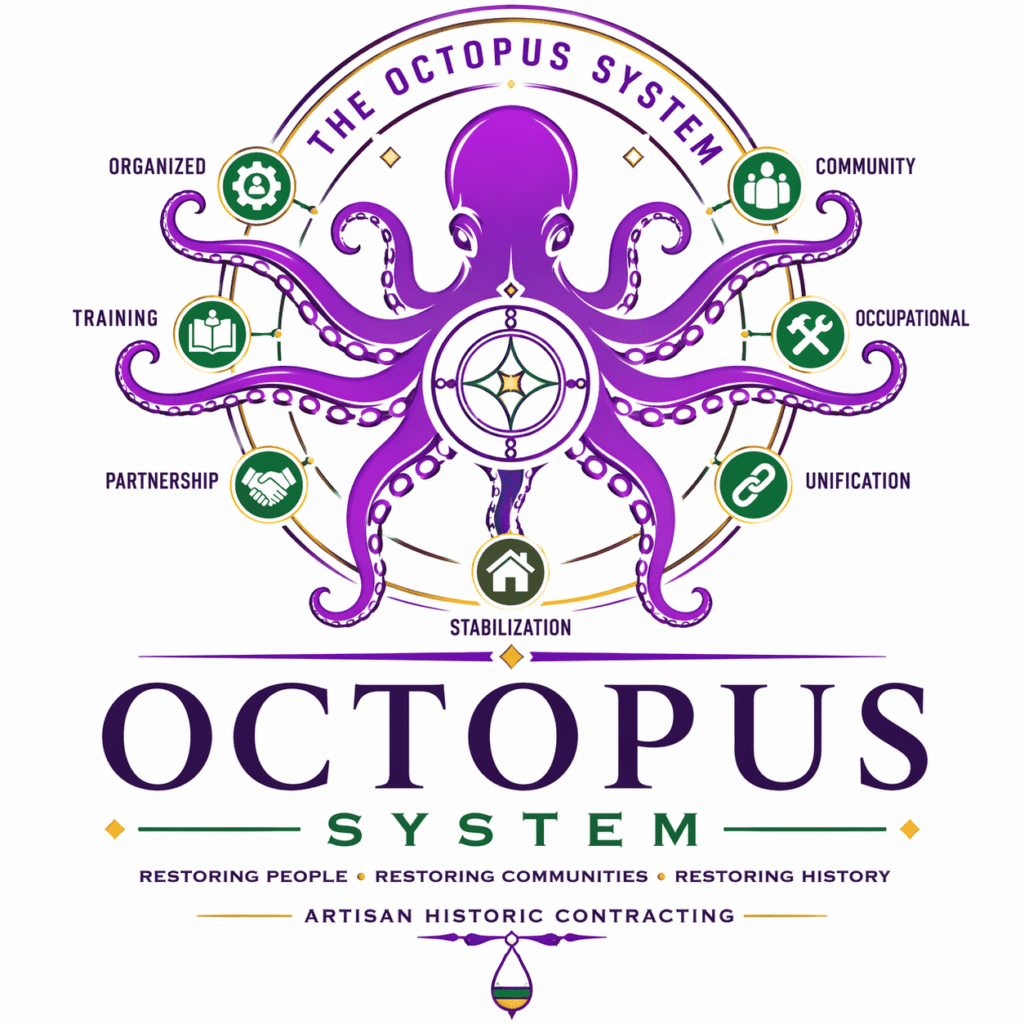
The Octopus System is a community restoration and rehousing initiative designed to address homelessness, workforce development, and historic preservation through one integrated model.

It combines stabilization, trade training, paid work experience, and long-term employment placement into a unified system that restores both people and communities.

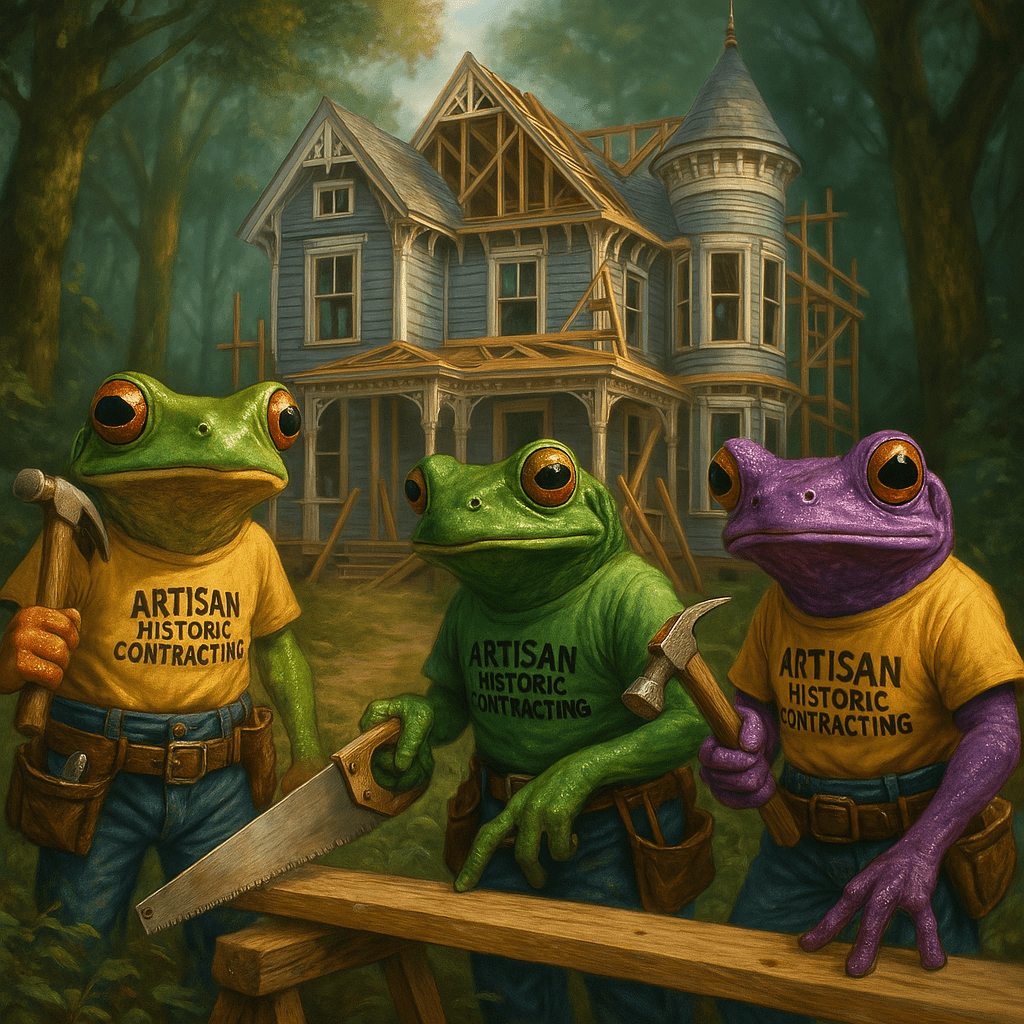
Developed through real-world experience and structured as an employer-led workforce pathway, the system operates through Artisan Historic Contracting (AHC) with training and curriculum support from the International Guild of Artisans & Masters (IGAM).

Octopus System Tenent

THE PROBLEM

Communities across California and the United States face a convergence of challenges that existing systems struggle to solve in isolation:

  • Over 170,000 people experience homelessness in California
  • Many lack access to stable housing, job training, and coordinated support
  • Government services often operate in fragmented and inefficient structures
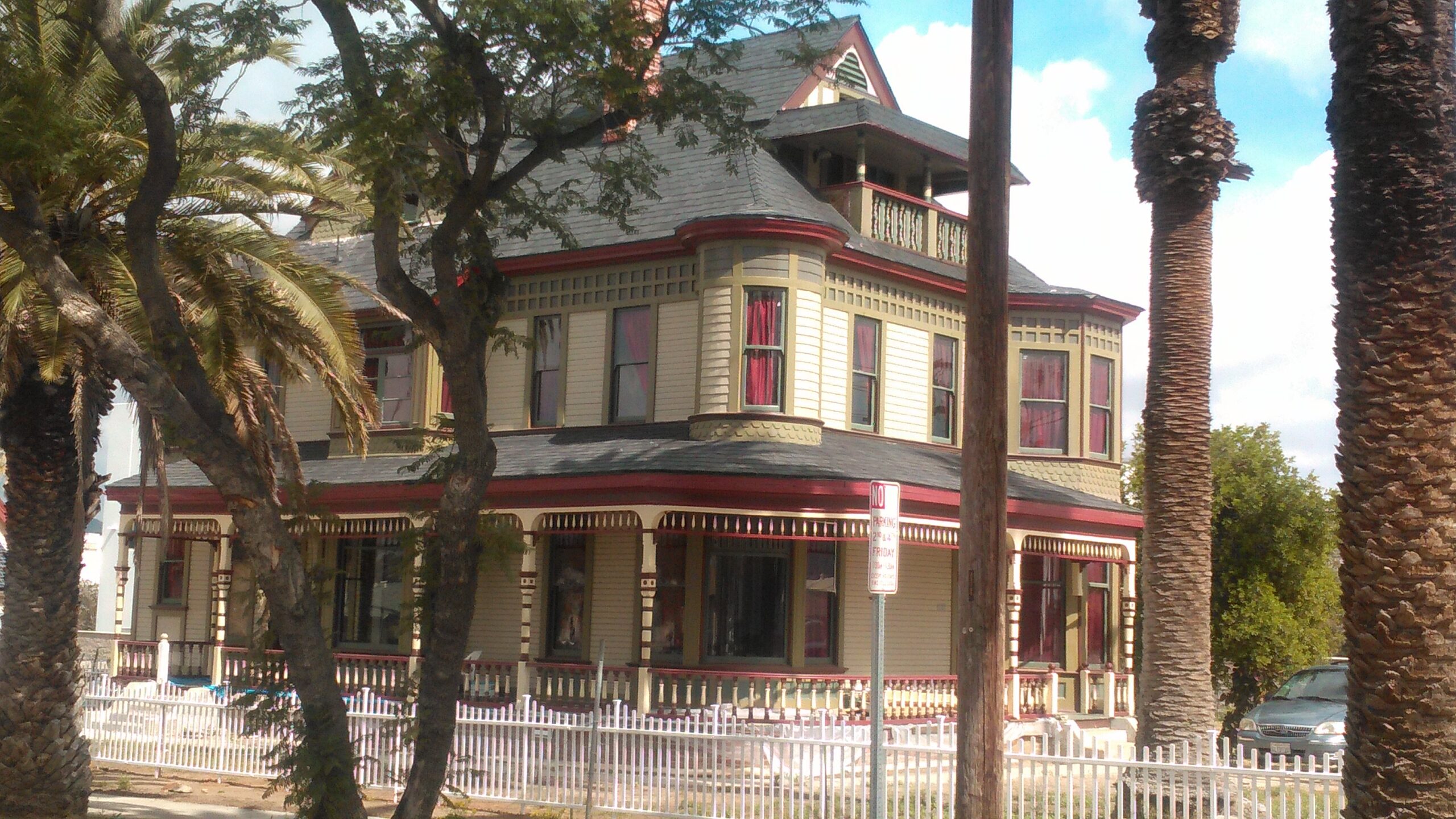
  • Historic buildings continue to deteriorate in both urban and rural communities

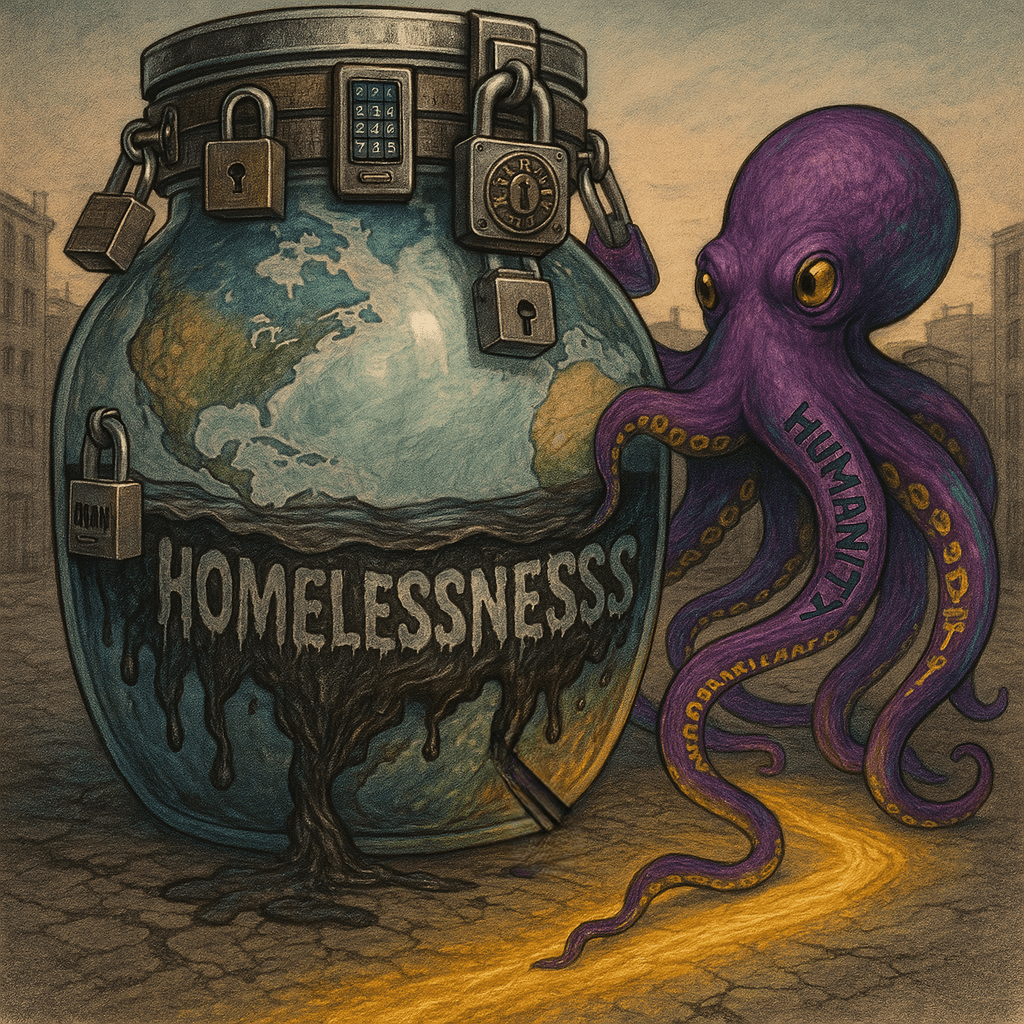
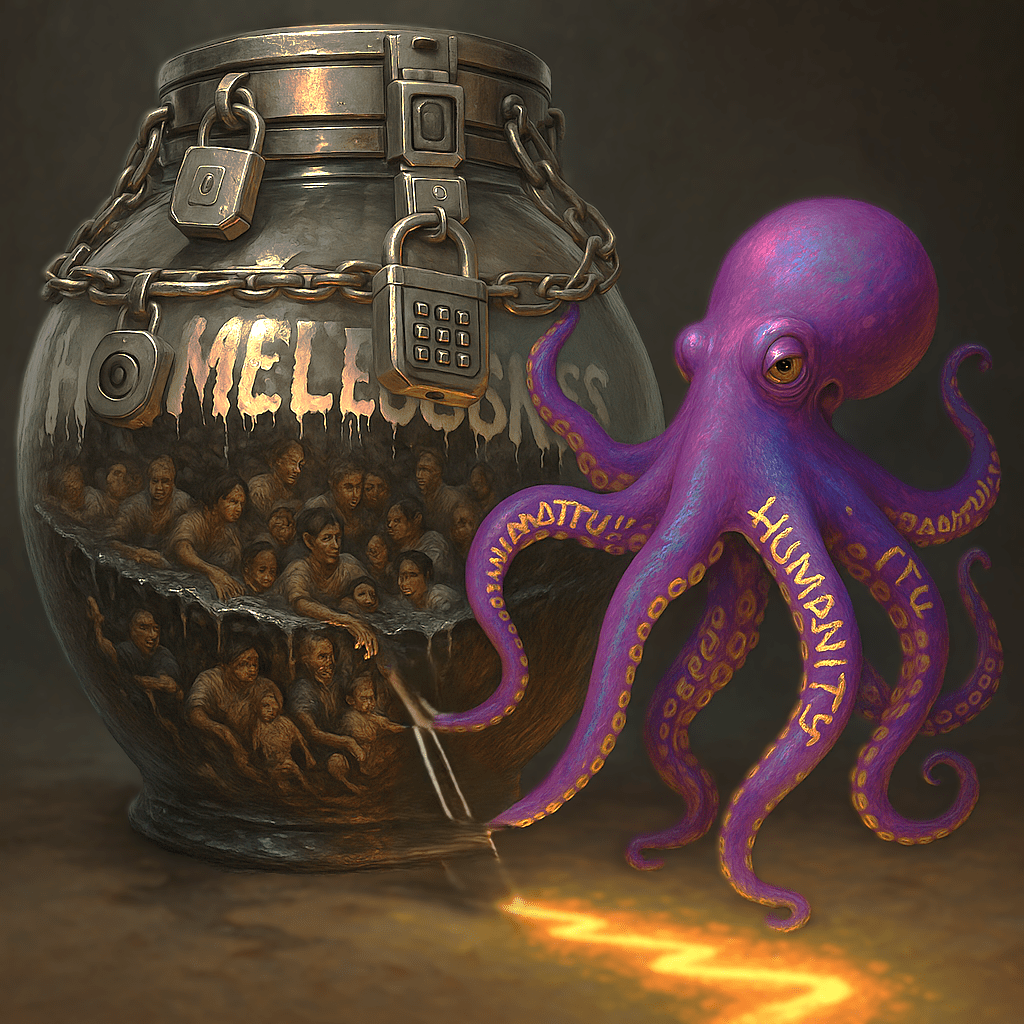
These issues are interconnected, yet most current solutions treat them separately, resulting in high costs and limited long-term outcomes

The Octopus Solution

The Octopus System provides a scalable, integrative solution that connects housing, workforce development, and community restoration into a single operational model.

Instead of separating services, the system aligns them:

  • Housing stabilization supports workforce readiness
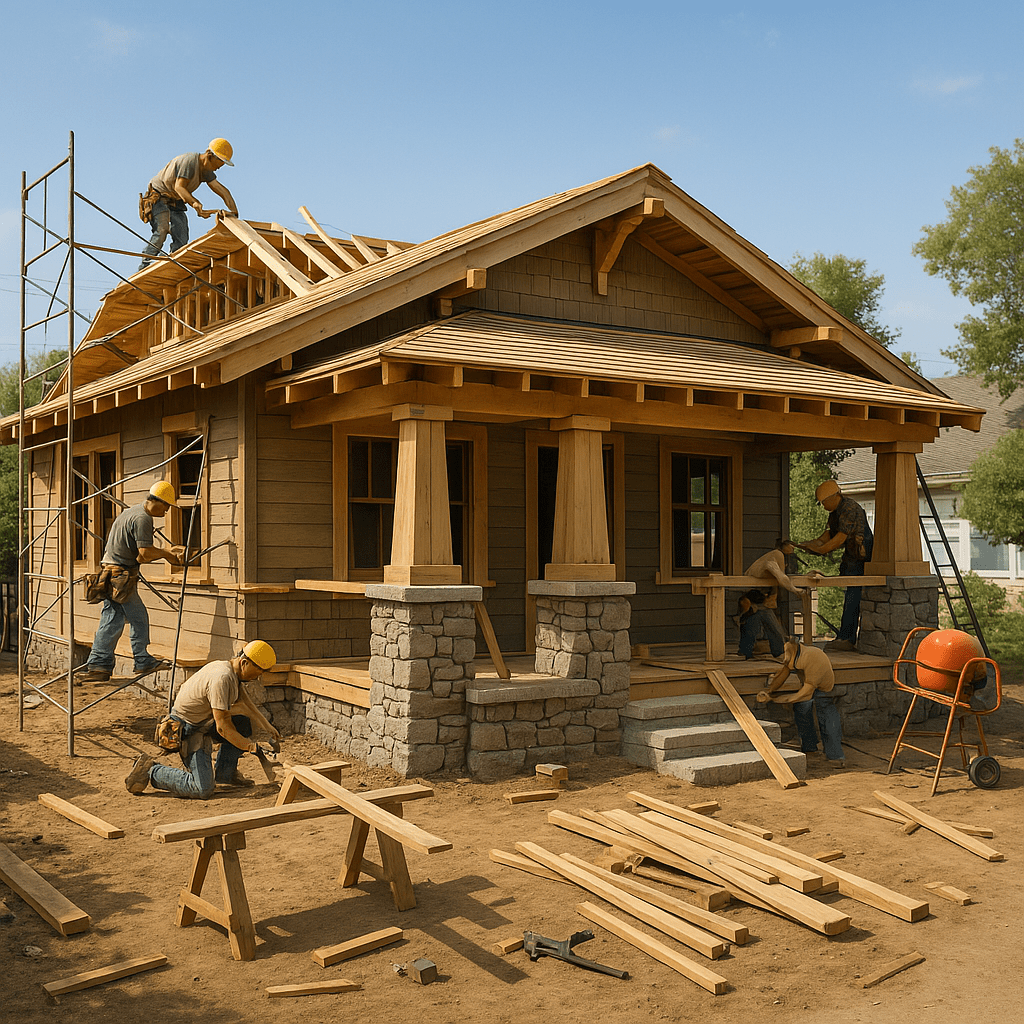
  • Training is delivered through real, project-based work
  • Employment is integrated into the system from day one
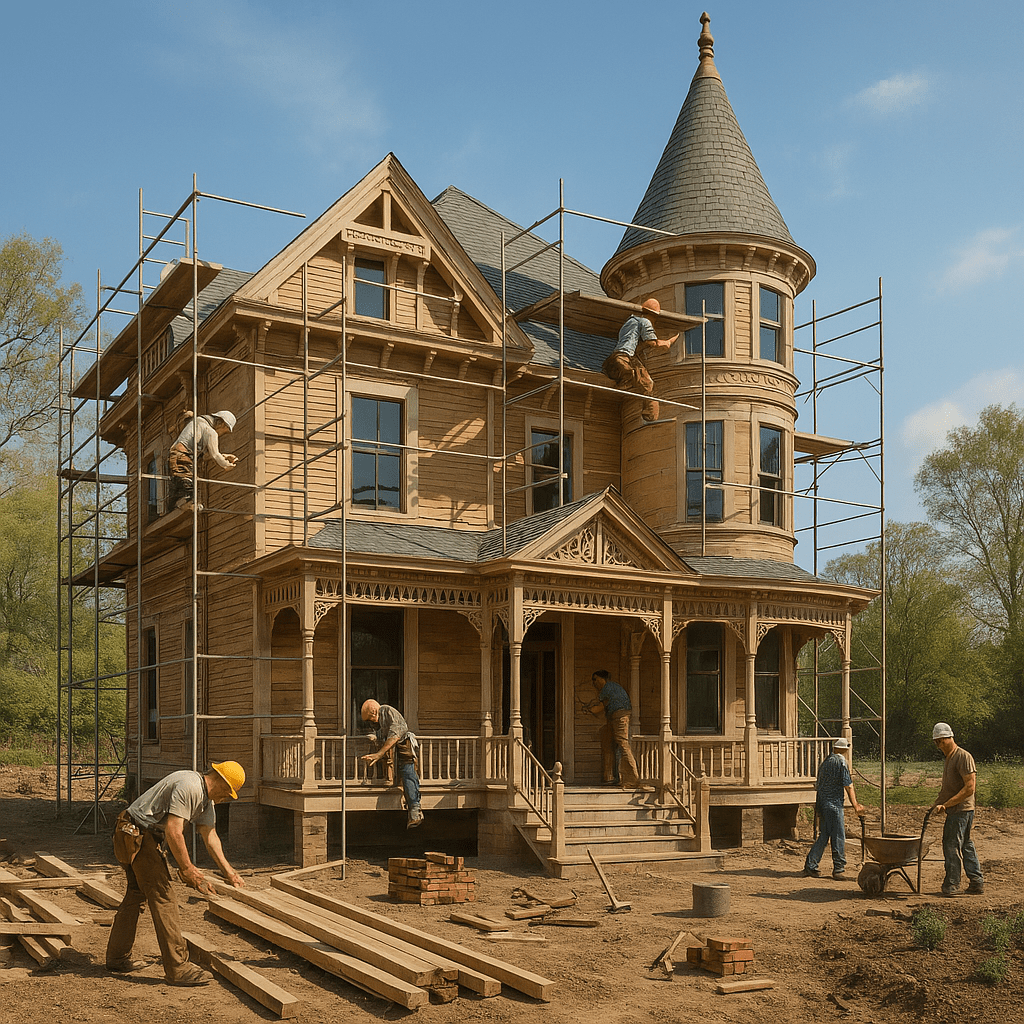
  • Community assets are restored through participant labor

By bringing these elements together, the Octopus System creates a pathway from instability to long-term self-sufficiency while revitalizing the communities it serves.

Octopus System Tenent

How the Octopus System Works

The Octopus System operates through a structured seven-phase model designed to move participants from entry into long-term employment and stability.

Phases:

  1. Intake & Triage
    Participants are assessed through identification verification, skills evaluation, and barrier analysis.

  2. Stabilization Support
    Short-term support includes housing proximity, transportation, and structured scheduling.

  3. Foundational Training
    Participants receive safety training, tool instruction, and exposure to historic materials and restoration methods.

  4. Paid Work Experience
    Participants begin supervised work on real restoration projects with performance tracking.

  5. Wraparound Navigation
    The system provides support for benefits, healthcare, financial systems, and behavioral services.

  6. Placement & Advancement
    Participants transition into apprenticeships or long-term employment pathways.

  7. Follow-Up & Alumni Support
    Post-placement support tracks retention and helps ensure long-term success.

This model ensures consistent progression, accountability, and measurable outcomes.

Program Model & Operations

The Octopus System operates as an employer-led workforce pathway, ensuring direct accountability and measurable results.

Artisan Historic Contracting (AHC) serves as:

  • Employer of record
  • Program operator
  • Supervisor of all fieldwork
  • Responsible entity for payroll, training execution, and compliance

The International Guild of Artisans & Masters (IGAM) provides:

  • Curriculum modules
  • Standard operating procedures
  • Skills checklists
  • Competency-based evaluations

Training is delivered through real-world projects, and participants gain verified work experience with measurable outputs.


The system is supported by structured staffing, including program leadership, field supervision, navigation, instruction, and administrative oversight.

Apprenticeship & Workforce Pathway

The Octopus System includes a structured apprenticeship model designed to develop skilled restoration professionals.

The program is built as a 4-year specialized training pathway focused on historic craftsmanship and preservation.

Participants:

  • Are hired as paid apprentices
  • Work on real restoration projects
  • Progress through measurable skill levels
  • Develop expertise across 10 specialized restoration areas

These areas include:

  • Historic wood siding
  • Millwork and trim
  • Doors and windows
  • Stair systems
  • Flooring restoration
  • Surface finishes
  • Decorative shaping
  • Measurement and planning
  • Structural repairs
  • Hardware systems

Starting compensation ranges from $16.50 to $18.00 per hour, with advancement tied to skill development and performance.

This system ensures participants are not only trained but employable and advancing.

Outcomes, Metrics & Proof

The Octopus System is designed as a measurable and accountable model, supported by both pilot results and defined performance targets.

Pilot Results (2022)

  • 2 out of 3 participants transitioned successfully
  • Participants moved into housing and employment pathways

Year 1 Performance Targets

  • 30 participants enrolled
  • 75% program completion
  • 60% employment placement within 90 days
  • 70% retention at 6 months


Additional KPI Targets

  • Up to 12 participants per cohort
  • ≤21 days to stabilization
  • ≥90% quality assurance score
  • ≥95% safety performance
  • Target wage range of $18–$24 per hour
  • ≥70% 90-day retention
  • ≥60% 6-month retention

These metrics provide a clear framework for tracking performance, accountability, and system success.

Funding, Partnerships & Implementation

The Octopus System is designed for scalable deployment through public, private, and institutional partnerships.

Funding Request:

$1,000,000

Use of Funds:

  • $400,000 — Equipment, tools, and materials
  • $300,000 — Staffing and training
  • $200,000 — Program development and licensing
  • $100,000 — Marketing and outreach

The Octopus System is designed for scalable deployment through public, private, and institutional partnerships.

Funding Request:

$1,000,000

Use of Funds:

  • $400,000 — Equipment, tools, and materials
  • $300,000 — Staffing and training
  • $200,000 — Program development and licensing
  • $100,000 — Marketing and outreach 

Partnerships:

The model is structured to work with:

  • Municipalities and housing agencies
  • Workforce boards and training programs
  • Behavioral health providers
  • Community organizations and nonprofits

Partner with the Octopus System to restore communities, develop workforce pathways, and build a scalable solution to housing and employment challenges.